



Overview
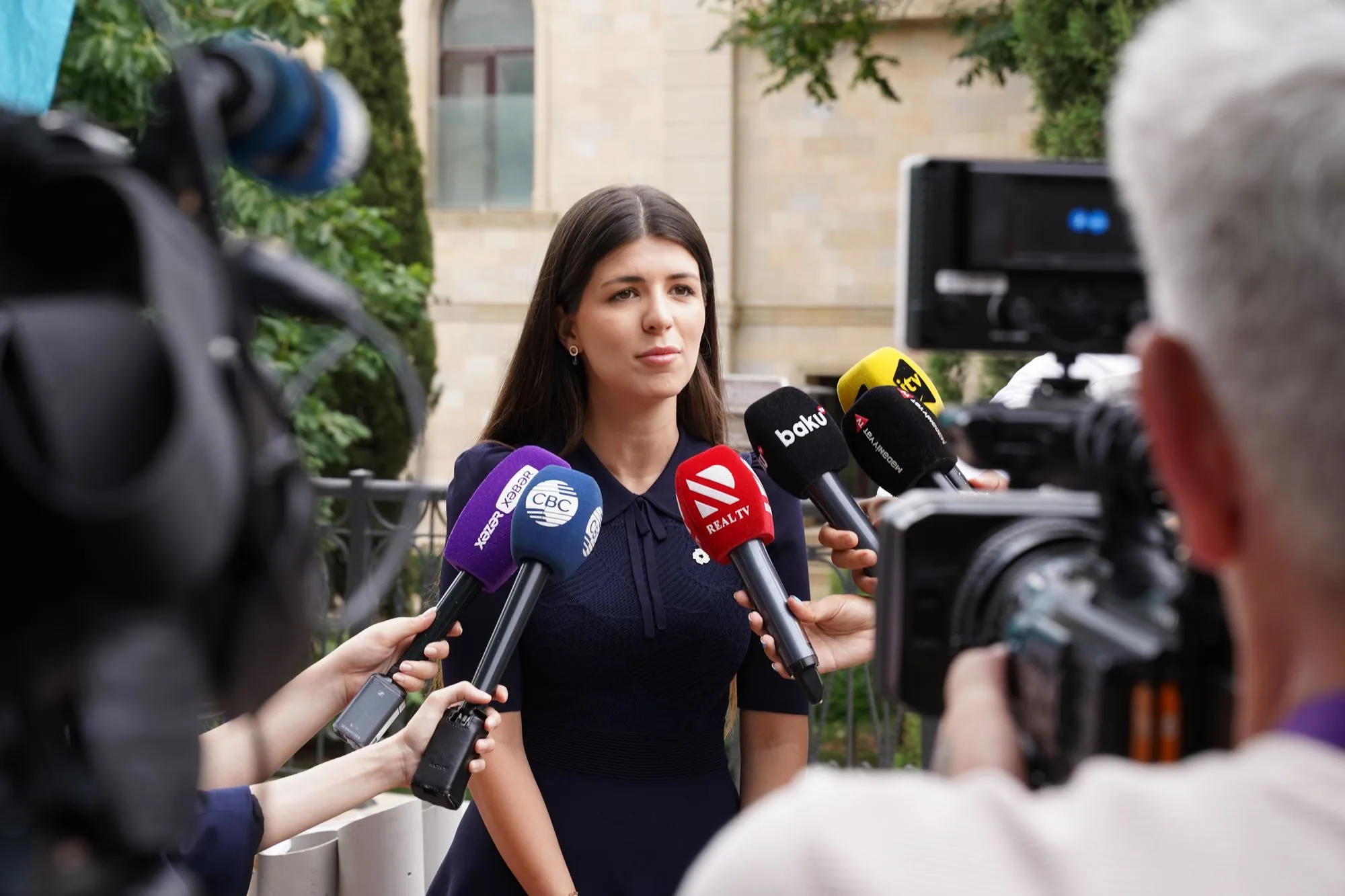
D-5 (Journalism) covers foreign nationals stationed in Korea for news gathering and reporting on the basis of dispatch by, or contract with, a foreign news organisation.
Staff dispatched by a foreign news organisation that already has a branch or bureau in Korea are expressly listed as eligible.
At a Glance
| Item | Detail |
|---|---|
| Status | Journalism (D-5) |
| Basis | Dispatch by or contract with a foreign news organisation |
| Max period per grant | 2 years |
| Workplace change | Not subject to workplace-change reporting (a change of the organisation's name is an alien registration change report) |
Scope of Activity
- News gathering while stationed in Korea
- Reporting while stationed in Korea
Who Qualifies
- Persons dispatched by a foreign newspaper, broadcaster, magazine or other news organisation to be stationed in Korea for news gathering and reporting
- Persons stationed in Korea under contract with a foreign news organisation for news gathering and reporting
- Persons dispatched by a foreign news organisation that already has a branch or bureau in Korea
Required Documents
- Integrated Application Form (Form No. 34), passport and ARC, fee
- Dispatch order or certificate of employment
- For contract-based postings, the accepted evidence of the contract with the foreign news organisation should be confirmed with Immigration
- Documents relating to the Korean branch or bureau where applicable
- Proof of residence
Application Process
- Check eligibility — confirm your current status, career, degree and contract type match the requirements.
- Prepare documents — foreign public documents need a translator's certification plus an apostille (or consular confirmation for non-member states).
- Book a visit — reserve a slot at your Immigration Office via HiKorea (www.hikorea.go.kr), or file online where e-Application is available.
- File and pay — submit the Integrated Application Form (Form No. 34) and pay the screening fee.
- Review — respond to any request for supplementary documents within the deadline.
- Result — on approval, the period of stay and status are granted; reissue your ARC if required.
Key Points
- Lawful residents registered under D-5–D-9 or E-1–E-7 may give foreign-language conversation instruction to colleagues within their own workplace without a separate out-of-status activity permit or report.
- Volunteer conversation instruction that is neither commercial nor paid is likewise outside the permit/report requirement — but if conversation instruction becomes the main activity, the exemption no longer applies.
- A change in the name of a D-5 holder's affiliated organisation is handled as an alien registration change report.
- Documents issued in Korea must normally be dated within 3 months unless another validity period applies.
- Documents already on file in your alien registration record need not be resubmitted.
- Health certificates, drug test results and pre-employment medical reports must be submitted sealed by the issuing hospital (do not open).
- You must be in Korea when applying; leaving the country after filing may result in refusal.
- Screening fees are non-refundable once the application is accepted.
- The head of the Immigration Office may add or waive documents where necessary for review.
Frequently Asked Questions
Q. Do freelance journalists qualify for D-5?
A. Eligibility is premised on dispatch by or contract with a foreign news organisation. Confirm individual cases with Immigration.
Q. Must I report a change of workplace?
A. D-5 is not subject to workplace change/addition reporting, but a change in the organisation's name is an alien registration change report.
Q. May I teach English at my office?
A. Conversation instruction for colleagues within your own workplace is not subject to an out-of-status activity permit or report.